


Lifting Heavy Shit


This is a follow on post so if you haven't already read my Tending to Tendons post it maybe worth a read too. https://www.peakfit50plus.com/post/tending-to-tendons This is in response to some feedback that resulted from a woman confused by all the different strength training advice out there.
If you are active in social media and a woman over 50 you'll likely have likely heard the lift heavy shit phrase. It's a great rallying cry to women to not be fearful of the weight room and move away from 15 reps of light weights. Think more in the 6-8 rep range since our bodies need a stronger signal to hang onto muscle as we age. However some of the nuances get lost in the headline. Hopefully common sense will tell you to build up to heavy weights gradually. But how gradually? Bare in mind that tendons and ligaments adapt slower than muscles, a lot slower. If you think a muscle strain may take 6-8 weeks to heal a tendon is in the months range. Thats a lot of down time if you pick up an injury. So whilst it's tempting to keep increasing the weight as you feel stronger for fear that you aren't going heavy enough, hold back, allow extra time for your tendons. If the weight feels challenging it's good enough. Particularly if you are new to weight/resistance training then here's some basics I recommend:
rather than go to complete failure keep 2 reps in reserve.
Being consistent in your strength training trumps the occasional mega hard heavy session.
Use the 1st set as a warm up with slighter lighter weights before increasing for subsequent sets in recognition that it takes time to turn all the muscles on.
Fuelling before and after your session with protein ensures your body has the building blocks readily available for you to adapt to the training.
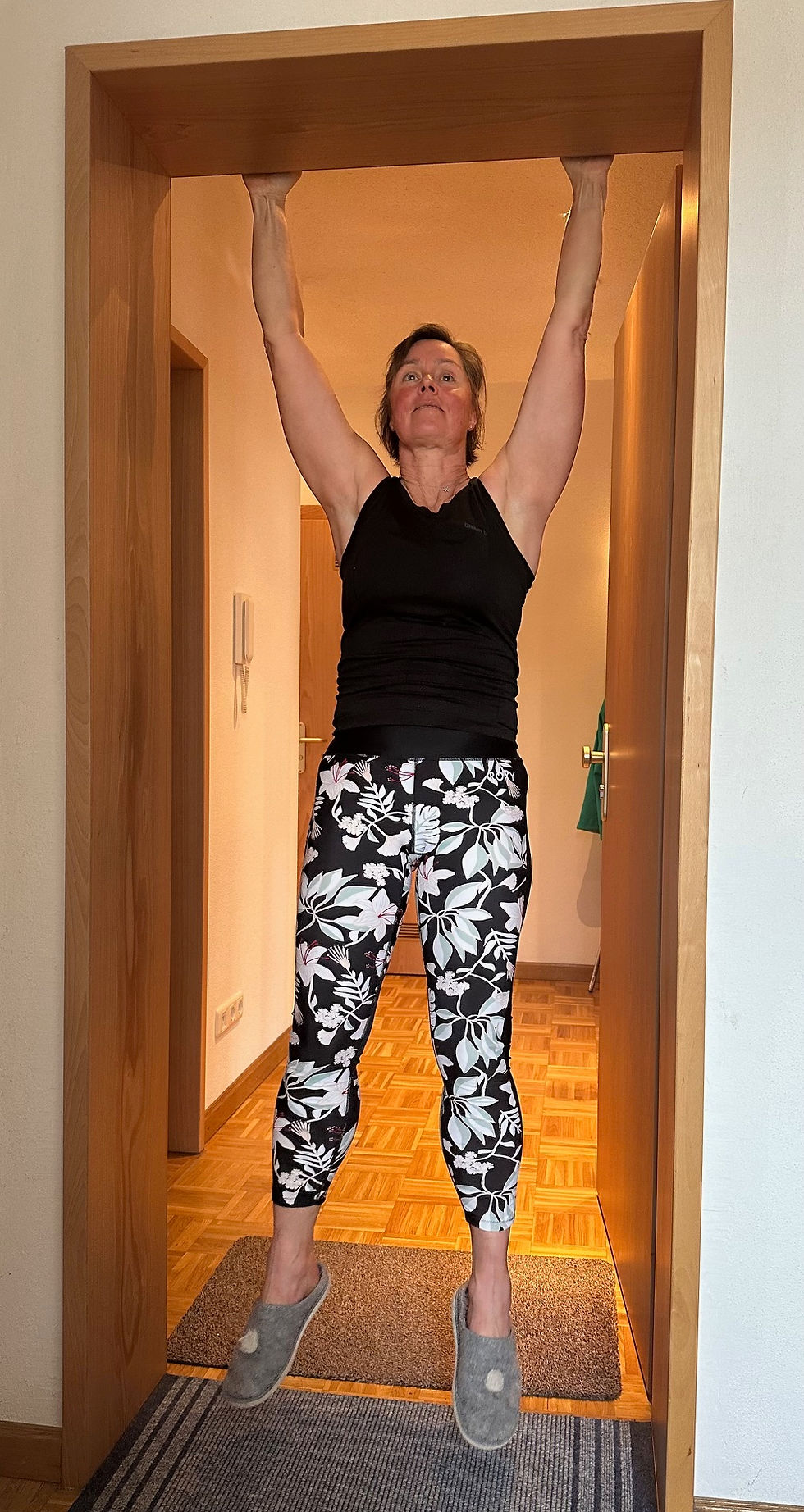
Tendons like isometric exercises where the muscles are neither lengthening or shortening. A plank is an example. They respond to frequent, modest tension. So whilst I might do 2 or 3 heavy weight sessions per week. I'll scatter isometric 10 second holds much more frequently. These are my exercise snacks ever since I learnt of research that demonstrated "Frequent low intensity finger loading was as effective at improving grip strength in climbers as training with maximal loads". https://pubmed.ncbi.nlm.nih.gov/39560837/ Since I have climbing goals then pulling on an overhead bar with both straight and bent positions is one of my staples, as is a raised glute bridge where I'm pushing down with my heels. The further your feet are away from your butt the more it will target your hamstrings. Also for pelvis stability and hip flexor strengthening my go to is a resistance band pull and hold with raised knee. Whilst basic planks are isometric exercises, I find them way more engaging when holding the bent arm position of a push up. I like alternating my isometrics focusing on different body parts avoiding the need to stand around resting between holds. Then there is big toe pressing into the ground, alternated with lifting the big toes whilst relaxing the other toes. Essential foot strength training, easily done while watching the TV. As is, holding the squeeze phase on one of those hand squeezing tools. Tendons respond to short duration and unlike heavy lifting recover in about 8hrs. Clearly following the principle of less load the smaller the tendon is common sense but perhaps less intuitively is the more damaged the tendon, the longer you need to hold, up to 30 seconds.
Some examples of isometric exercises for you to snack on.

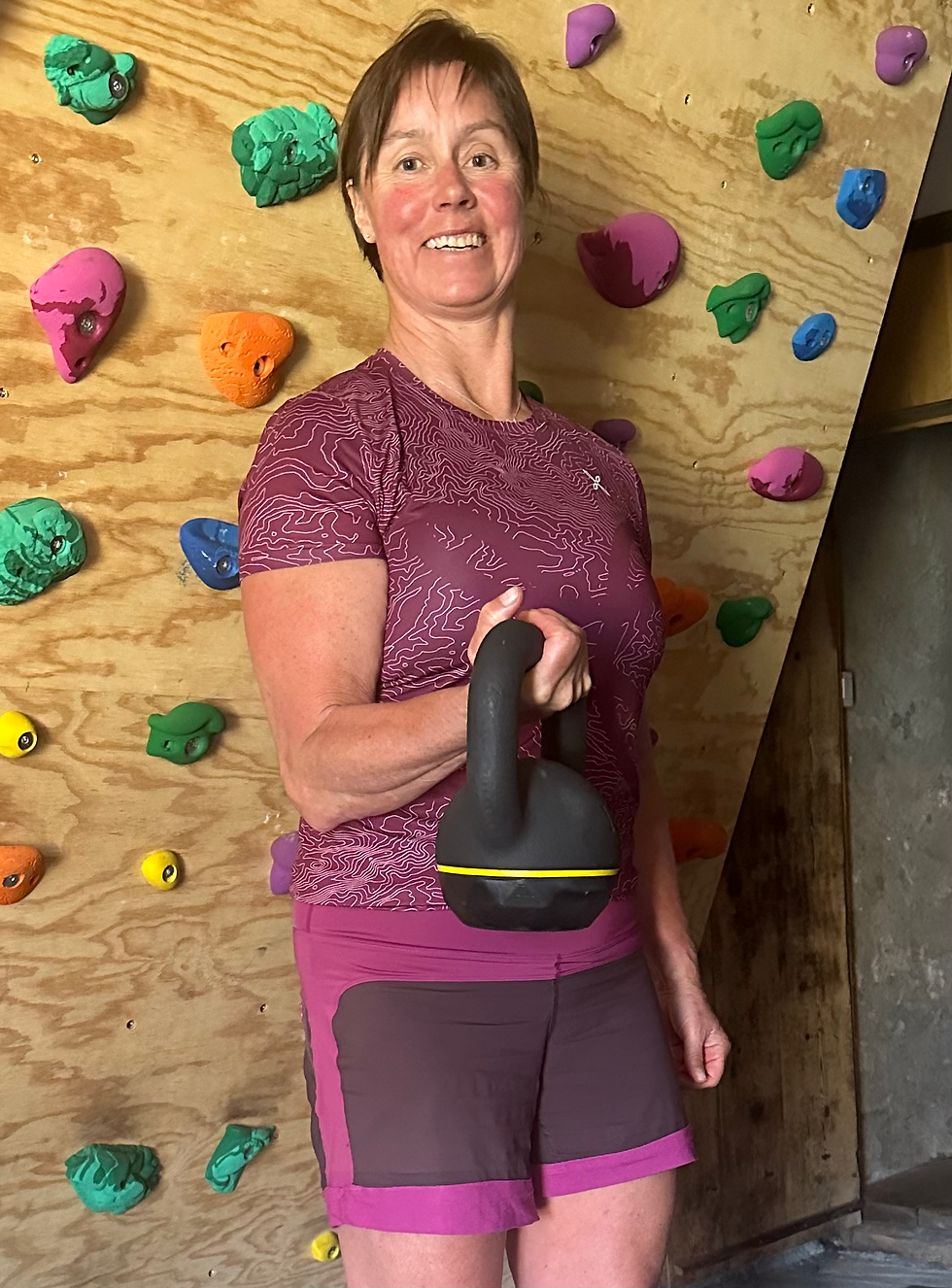


The study above found that the most gains came from "combining low intensity and maximal load training resulted in additive strength gains." So do both heavy lifting and moderate isometrics - it doesn't sound so catchy now, but will help the most with strength and should reduce injury risk.

Comments